
Shell, Horn, Corozo and Coconut Buttons: A Guide to Natural Button Materials
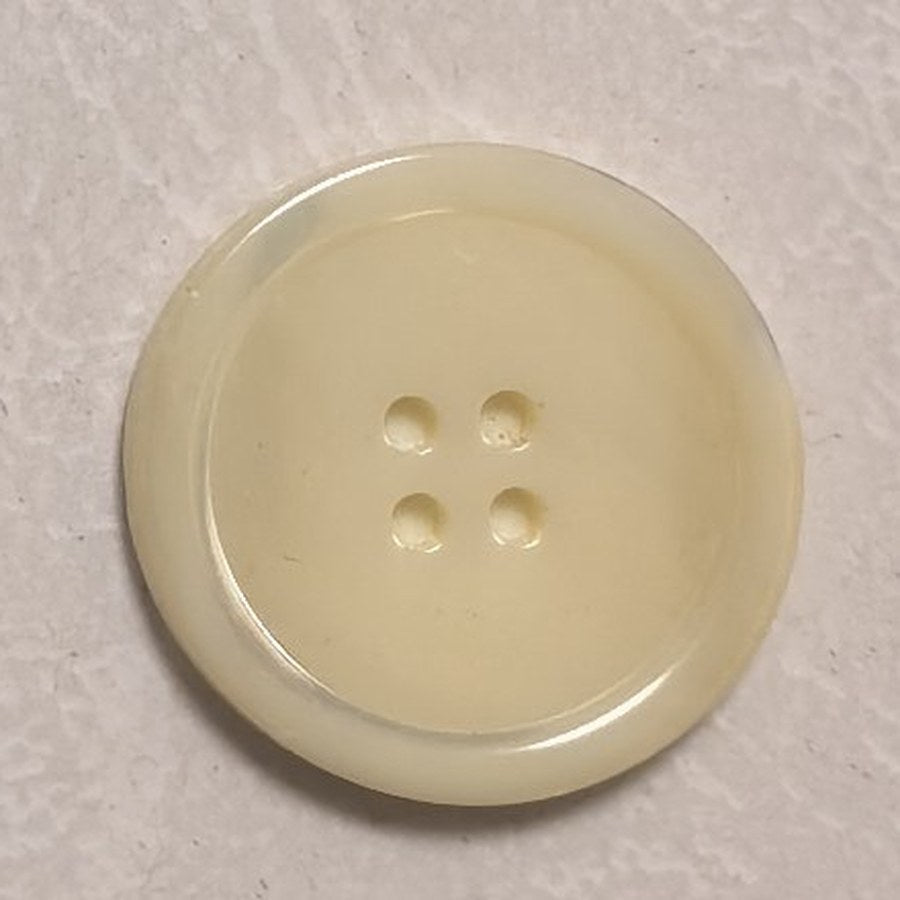
The main natural button materials are shell, horn, corozo, coconut and wood. Each one comes from a living source, each has its own colour, weight and texture, and each brings a different mood to a garment. Shell buttons, cut from the nacre of mother of pearl, abalone, akoya, river shell or trocas, are known for their lustre. Horn buttons offer warm, marbled depth. Corozo, made from the tagua nut, is smooth and takes colour well. Coconut buttons are light and rustic, and wood adds an easy, crafted feel.
So which natural button material should you choose? It depends on the fabric, the look you want and how the garment will be worn. Shell is often the first choice for shirts, blouses, bridal wear and fine knitwear, where its glow catches the light. Horn and corozo are classic on tailoring and coats. Coconut and wood suit relaxed, outdoor and resort styles. Below we describe each material, its strengths and the garments it suits best, so you can build a confident button story for your collection.
Why designers choose natural button materials
Natural buttons give a garment a tactile quality that customers notice the moment they touch it. Every piece carries slight variation in colour and grain, so a row of buttons looks individual and considered. Natural materials also tell a story that brands can share on hang tags and product pages.
Shell buttons: lustre and light
Shell buttons are made from the nacre, the iridescent inner layer of a shell. Light passing through its fine layers creates a soft play of colour that no two buttons share exactly. The shells we use are all cultured, grown in pearl and shell farms: mother of pearl from Australia, the Philippines, Indonesia and Tahiti, abalone from Australia and China, akoya from Japan, trocas from Indonesia and the Pacific, and river shell from the freshwater rivers of China.
Shell feels cool and smooth in the hand, has a pleasant weight and can be polished to a high shine. It is made in flat, rim and dome profiles, with 2 or 4 holes, and typically in sizes from 12L to 40L (about 8–25 mm), depending on the shell, with larger sizes for abalone and river shell. Natural colours range from bright white and warm yellow to black, brown and the vivid tones of abalone, and sprayed colours and laser-engraved logos are possible on request. Learn more in our guide to types of shell buttons.
Horn buttons: warm and marbled
Horn buttons are typically made from cattle horn, often as a by-product of farming. Horn has a rich, marbled pattern in shades of cream, honey, brown and near-black, with natural streaks that make every button unique. It is strong and has a satisfying solidity, and it develops a lovely soft sheen with polishing.
Horn is a long-standing favourite for tailored jackets, overcoats, tweeds and heavier wool garments. Its warm, earthy tones suit autumn and winter collections, country styles and traditional menswear.
Corozo buttons: vegetable ivory
Corozo comes from the tagua nut, the seed of a palm that grows in South America. The dried nut becomes very hard and has a creamy, ivory-like colour, which is why corozo is often called vegetable ivory. It can be turned, carved and polished into smooth, refined buttons.
One of corozo's great strengths is how well it takes dye. It can be coloured in a wide range of shades while keeping a subtle natural grain, so it is popular for suits, trousers, coats and shirts where a brand wants a matt, colour-matched natural button.
Coconut buttons: light and relaxed
Coconut buttons are cut from the hard outer shell of the coconut. They are light, durable and show a natural brown colour with a fine, fibrous texture. The surface can be left natural or polished, and the back often shows the shell's own grain.
Coconut buttons bring an easy, sun-washed feel to linen shirts, resort wear, summer dresses, beachwear and casual knitwear. They are a natural match for cotton and linen in sand, olive and earth tones.
Wood buttons: crafted and versatile
Wood buttons are turned or cut from a variety of timbers, each with its own grain and colour, from pale birch tones to deep walnut shades. They are light, pleasant to touch and can be finished smooth, oiled or carved.
Wood suits knitwear, children's clothing, outdoor jackets and craft-inspired pieces. It is also popular with makers and knitters who enjoy a homely, hand-finished look.
Natural button materials at a glance
| Material | Source | Look and feel | Often used for |
|---|---|---|---|
| Shell | Cultured ocean and river shells | Iridescent lustre, cool touch, polished shine | Shirts, blouses, bridal, knitwear, suits |
| Horn | Cattle horn | Warm marbled tones, solid feel | Tailored jackets, coats, tweeds |
| Corozo | Tagua nut from a South American palm | Smooth, ivory-like, takes dye well | Suits, trousers, coats, shirts |
| Coconut | Outer shell of the coconut | Light, natural brown, fibrous texture | Linen shirts, resort wear, summer styles |
| Wood | Various timbers | Visible grain, light, warm to touch | Knitwear, children's wear, outdoor pieces |
Where shell buttons fit best
Every natural button material has its place, and many collections use more than one. Shell shines brightest in a few clear situations:
- Dress and casual shirts. Small shell buttons from 14L to 18L are a classic on shirt plackets and cuffs. White mother of pearl, akoya and trocas are popular choices; see our article on mother of pearl shirt buttons.
- Blouses and bridal wear. The soft glow of white mother of pearl and akoya flatters silk, satin and lace.
- Fine knitwear. Cardigans in cashmere, merino and cotton look refined with shell buttons in natural or sprayed tones.
- Statement pieces. Red and gold abalone add colour and drama to jackets, dresses and evening wear, including larger red abalone buttons up to 120L.
- Branded collections. Shell takes laser engraving beautifully, so a logo or monogram becomes part of the button.
Shell also pairs well with other natural materials: horn on a coat and shell on the matching shirt build a cohesive, natural story across a collection.
How to choose between natural materials
A few questions help narrow the choice quickly:
- What is the fabric weight? Light fabrics such as poplin, silk and fine knits suit smaller, lighter buttons; heavy wools and coatings suit larger, more substantial ones.
- What mood do you want? Lustre and elegance point to shell; warmth and heritage to horn; colour-matched refinement to corozo; relaxed summer ease to coconut; crafted charm to wood.
- Do you need a specific colour? Shell offers a wide natural palette plus sprayed colours, and corozo is also known for taking dye well.
- Will you add a logo? Shell is well suited to laser engraving for brand details.
Whatever you choose, judge physical samples on your real fabric before bulk production.
FAQ
What are natural buttons made of?
Natural buttons are made from materials that come from living sources, mainly shell, horn, corozo (tagua nut), coconut shell and wood. Each has its own look, weight and texture.
Is mother of pearl better than horn for buttons?
Both are excellent; they simply suit different garments. Mother of pearl brings lustre to shirts, blouses and knitwear, while horn brings warm, marbled depth to coats and tailoring. Many collections use both.
What is corozo?
Corozo is the hard, ivory-coloured seed of the tagua palm from South America. It is often called vegetable ivory and is valued for its smooth finish and the way it takes colour.
Which natural button material suits shirts best?
Shell is the classic choice for shirts. Small mother of pearl, akoya or trocas buttons from 14L to 18L give plackets and cuffs a clean, refined finish.
Can shell buttons be combined with other natural buttons in one collection?
Yes. Mixing materials across garments, such as horn on outerwear and shell on shirts, creates a cohesive natural look that customers appreciate.
Explore shell buttons
Shell is our speciality: genuine cultured shell, cut and polished in our Hong Kong factory and supported by our Polkom office in Sofia for European customers. Brands and garment makers can request samples and a price offer on our wholesale page, and designers and makers can order smaller quantities in our online shop.
Related guides
 Shell Buttons for Bags, Cushions and Home Textiles
Mother of pearl buttons for bags, cushion covers, bed linen and home textiles: sizes, styles and practical tips.
Read →
 Shell Buttons in Bespoke Tailoring: Sleeve Buttons, Working Cuffs and Kissing Buttons
How tailors use mother of pearl buttons on jacket sleeves, working cuffs and waistcoats, with sizes and placement notes.
Read →
 Gold-Lip and Yellow Mother of Pearl Buttons: Warm Natural Nacre
Yellow and gold-lip mother of pearl buttons bring natural warmth to linen, camel and autumn palettes. How they are cut, sorted and used.
Read →
