
Are Shell Buttons Sustainable?
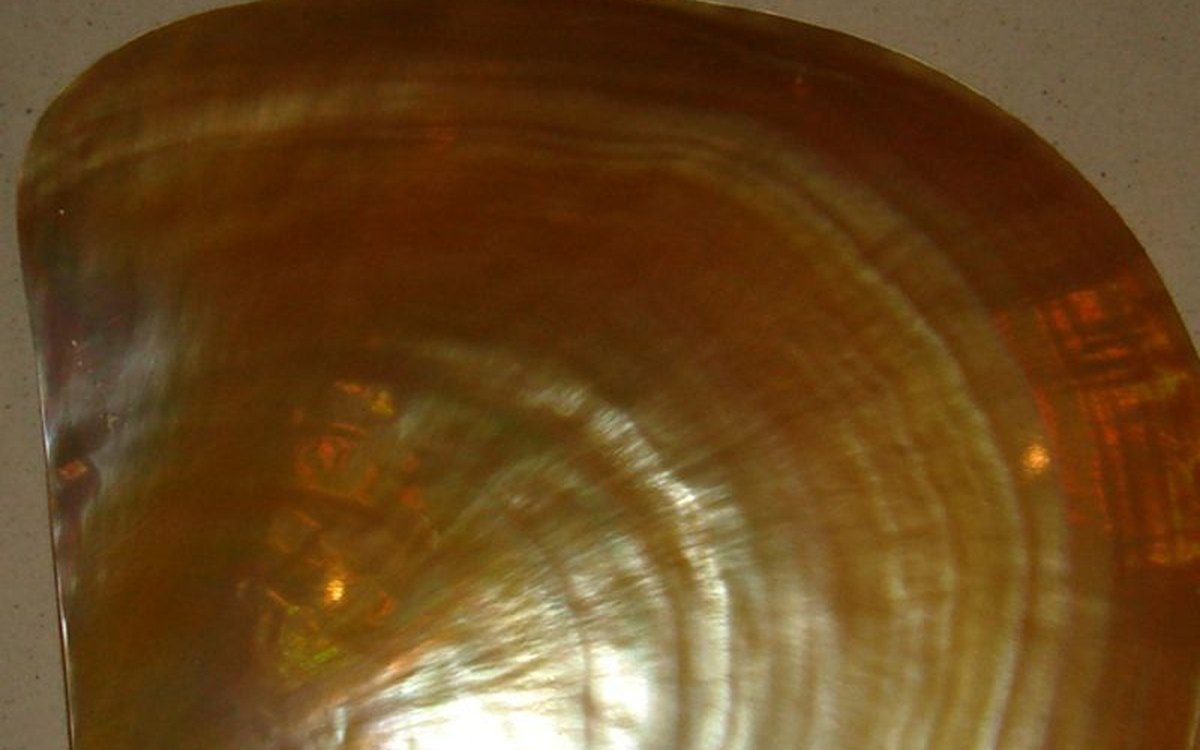
Shell buttons are widely regarded as a sustainable button choice. They are made from a 100% natural material, calcium carbonate nacre, taken from cultured shells grown in pearl and shell farms; much of the shell used for buttons is a by-product of pearl farming and the seafood industry. Shell buttons need no synthetic raw materials, can last for decades and be reused on new garments, and at the end of their life they are a natural mineral material. One honest point: shell buttons are of animal origin, so they are not vegan.
Sustainability always depends on the whole chain, from where the shell comes from to how long the finished garment is worn. Below we look at each part of that chain for shell buttons, with the facts that are generally known and the questions a responsible brand may want to ask its supplier.
Where the shell comes from
All the shells we use are cultured, grown in farms rather than collected at random. Each species has its own origin:
| Shell | Origin | Typical farming context |
|---|---|---|
| White and yellow mother of pearl | Australia, the Philippines, Indonesia (ocean) | Pearl oyster farming |
| Black mother of pearl | Tahiti (ocean) | Black pearl farming |
| Akoya | Japan (ocean) | Akoya pearl farming |
| Red abalone | Australia (ocean) | Abalone farming for food |
| Gold abalone | China (ocean) | Abalone farming for food |
| Trocas | Indonesia, around the Pacific (ocean) | Shell farming |
| River shell | China (freshwater rivers) | Freshwater pearl and mussel farming |
Farming gives a traceable, consistent supply and allows shells to be grown under managed conditions. You can read more in our articles on cultured shell buttons and where shell buttons come from.
A by-product of pearl farming and food
In pearl farming, the main product is the pearl. Once pearls have been harvested, the shells remain, and their nacre, the same material that forms the pearl, is used for buttons, inlay and decorative objects. Similarly, abalone is farmed mainly as seafood, and the colourful shell is used after the meat has gone to the food market. Using these shells for buttons gives a second life to material that already exists, which is a key reason shell buttons are often described as a sustainable option.
A natural material with a simple composition
Nacre is made of aragonite, a form of calcium carbonate, bound in a thin organic matrix of proteins. It is the same family of mineral found in limestone and chalk. A natural shell button contains no petroleum-based raw material. Shell buttons in natural colours are simply shell, cut, shaped and polished. Where buttons are colour-sprayed, smoked or engraved, ask about the process, as you would for any finished component.
Making shell buttons: using the whole shell
Button blanks are cut from the flattest, most even parts of the shell. The production process is mainly mechanical: cutting, grinding, shaping, drilling and polishing, often with water to cool the tools and control dust. Responsible workshops sort offcuts and use smaller pieces for smaller buttons and other shell products. Our guide to how shell buttons are made describes each step.
Longevity: the most sustainable button is the one that lasts
Durability is one of the strongest sustainability arguments for shell. A well-made mother of pearl button can stay on a garment for many years and outlive the fabric. Vintage shell buttons from old garments are still collected and sewn onto new clothes. When a shirt is finally retired, its shell buttons can be cut off and reused. With good care, especially gentle pressing and moderate wash temperatures, shell buttons keep their lustre; see our care guide.
Buying shell buttons responsibly
Brands that want to make the most of shell's natural qualities can apply a few simple principles when developing a collection:
- Choose the right shell and thickness for the garment, so the buttons last as long as the fabric. A robust button that never needs replacing is the most resource-efficient choice.
- Plan quantities carefully per size and colour, with a sensible margin for spares rather than large surplus stock.
- Use natural colours where the design allows. White, yellow, black, brown and grey shell tones are beautiful as they are.
- Attach a spare button to each garment, so the customer can repair rather than replace.
- Give clear care advice on the label: moderate washing temperatures and gentle pressing keep shell buttons beautiful for years.
- Carry over buttons between seasons. A classic white mother of pearl shirt button can serve many collections.
End of life
Shell is a natural material of mineral and organic origin. Over long periods and in the right conditions, calcium carbonate shell breaks down naturally, as shells do on a beach. Shell buttons are therefore often described as biodegradable. The rate depends on conditions and on any sprayed colour or coating used, so it is best to describe this carefully rather than promise a specific timeframe on a product label.
Honest notes
- Natural does not automatically mean environmentally friendly. Every material has a footprint, shell included: farming, water and energy in processing, any colour finishes and transport all play a part. The strongest points for shell are specific ones, its origin as a by-product of pearl farming and food, and its long life, so it is better to describe those than to call a button eco-friendly in general.
- Not vegan. Shell buttons are made from the shells of molluscs, so they are of animal origin. Collections that are strictly vegan usually choose plant-based buttons such as corozo or coconut. Our guide to natural button materials describes these options.
- Transport. Shells are farmed in Asia and the Pacific, and buttons travel to European garment makers. Ordering sensibly, with well-planned quantities and fewer separate shipments, helps.
- Colour finishes. Natural colours need no extra finish. Fashion colours are sprayed onto the top side of the button, so if you choose a sprayed colour, ask about the process and test the result.
- Documentation. If your brand has sustainability reporting requirements, ask your supplier which information they can provide on origin and processing.
How to talk about shell buttons on product pages
Clear, factual wording builds trust. Phrases that describe shell buttons accurately include "100% natural mother of pearl buttons", "buttons cut from cultured shell" and "natural shell buttons, a by-product of pearl farming", where that applies to the shell you use. Avoid claims you cannot document, such as specific certifications or exact decomposition times.
FAQ
Are shell buttons ethical?
Our shell buttons are cut from cultured shells grown in pearl and shell farms, and much of the shell is a by-product of pearl farming and food production, so the button makes use of material that already exists. How ethical a particular button is also depends on farming practices and transparency along the chain, so it is reasonable to ask a supplier where each shell comes from; we name the origin of every shell type. Shell is of animal origin, so it is not suitable for strictly vegan collections.
Are mother of pearl buttons eco-friendly?
They are made from a natural material, much of it a by-product of pearl farming and food production, and they last for many years, which makes them a sustainable choice for many brands. As with any material, the full picture also depends on farming, processing and transport.
Are shell buttons biodegradable?
Shell is natural calcium carbonate and breaks down naturally over long periods. The rate depends on conditions and finishes.
Are shell buttons vegan?
No. They are made from mollusc shells, so they are of animal origin.
Where do the shells for shell buttons come from?
Our shells are cultured, grown in pearl and shell farms, which supports a traceable and consistent supply.
Can shell buttons be reused?
Yes. Shell buttons often outlive the garment and can be removed and sewn onto new clothes.
Natural buttons for your collection
If natural materials and longevity matter to your brand, shell is a beautiful choice. Ask for samples and a price offer on our wholesale page, or explore 100% natural shell buttons in our online shop.
Related guides
 What Colour Is Mother of Pearl? Nacre Shades from White to Black
Mother of pearl is best known as iridescent white, yet nacre ranges from cream and gold to grey, black and peacock. The natural colours...
Read →
 Mother of Pearl Button Jewellery and Crafts: Earrings, Bracelets and More
How to make earrings, bracelets, necklaces, brooches and cards with mother of pearl buttons – which sizes and shells to choose and how to...
Read →
 Mother of Pearl in Musical Instruments: Saxophone Keys, Guitar Inlays and Bows
From saxophone key touches to guitar inlays and violin bow frogs: where mother of pearl and abalone appear on musical instruments and how the...
Read →
